A Labor of Love: Maintaining and Repairing the Classic Peugeot 306
They are a common sight, yet increasingly rare. The Peugeot 306, a car that once crowded European roads in the 1990s and early 2000s, is now transitioning from a cheap runabout to a bona fide modern classic. To own one today is not merely an act of transportation; it is a statement, a commitment to a driving experience largely absent from contemporary vehicles. This commitment, however, is a double-edged sword. Maintaining and repairing a Peugeot 306 in the third decade of the 21st century is a journey fraught with specific challenges, but one that rewards with immense satisfaction and a pure, analog connection to the road.
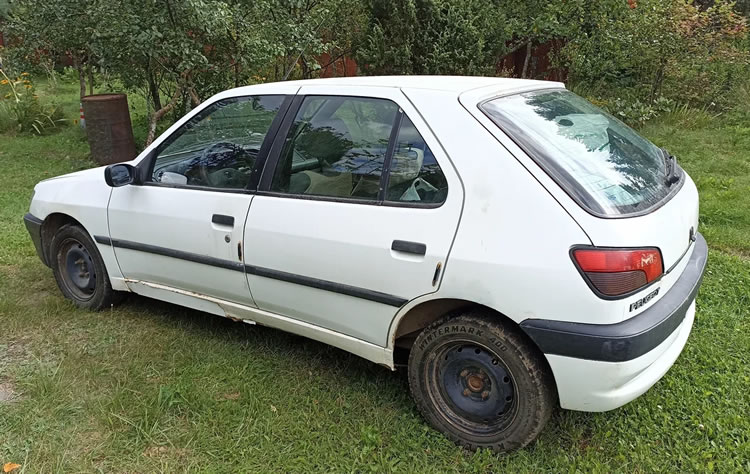
The 306 was lauded in its heyday for its sublime ride and handling balance, a trait inherited from its legendary sibling, the 205. Peugeot’s engineers perfected the art of the torsion beam rear axle, giving the car a poise and fluidity through corners that could embarrass more expensive machinery. This "magic carpet" ride, however, is its first point of failure in modern times. The secret lay in soft, compliant bushings and precisely tuned dampers. Age, not mileage, is the primary enemy. The front lower arm bushes, the rear axle beam bushes, and the dampers themselves perish and wear out, leading to a vague, clunky feel and a tragic loss of that signature composure.
The good news for the DIY enthusiast is that the core mechanical components of the 306 are remarkably straightforward. The ubiquitous TU-series and XU-series engines are simple, non-interference units that are forgiving of minor neglect. A timing belt change on these engines is a rite of passage for a 306 owner, a task well within the grasp of a competent home mechanic with basic tools. The internet is a treasure trove of knowledge, with dedicated forums and video tutorials documenting every conceivable job. This community spirit is a crucial pillar of 306 ownership; it’s a collective effort to keep these cars alive, sharing wisdom on which aftermarket parts brands to trust and which to avoid like the plague.
Yet, herein lies the first major challenge: the parts paradox. While mechanical components like filters, brake pads, and exhaust sections are readily available, the car-specific, often plastic, parts are becoming the stuff of legends. The iconic green-tinted dashboard, a hallmark of the phase 1 and 2 models, is notoriously brittle. A hot summer day can be enough to cause an audible crack. Finding an uncracked, color-matched dashboard is a quest that can take months. Similarly, broken interior door handles, failing electric window regulators, and cracking rear light clusters are common ailments. Sourcing these items often involves scouring breakers' yards, developing relationships with specialized suppliers in France, or praying that a fellow forum member has a stash of New Old Stock in their garage.
Then there is the specter of rust. While generally more resistant than some of its contemporaries, the 306 has its Achilles' heels. The rear axle beam, a critical structural and suspension component, is prone to corrosion from the inside out. A seemingly solid car can hide a beam that is on the verge of catastrophic failure. Preventive maintenance here is key: removing the beam, sandblasting it, treating it with anti-corrosion wax, and fitting new bearings and seals is a job that can add another decade to the car's life. Other common rust spots include the front chassis legs, the sills, and the lip of the boot lid. Vigilance is non-negotiable.
Electrically, the 306 is a product of its time. It sits at the cusp of the transition from simple looms to complex engine management systems. The later models, especially those with the Siemens Fenix 5A ECU, can suffer from perplexing issues. Poor solder joints on the ECU board can cause intermittent running problems, a fault that can baffle mechanics accustomed to simply plugging in a diagnostic computer. For the 306 owner, the solution often involves a soldering iron and a steady hand, guided by a detailed post on a dedicated online forum. This is not a car for those who fear getting their hands dirty or who expect a main dealer to have all the answers.
So, why bother? Why embark on this seemingly endless cycle of preventive maintenance, hunting for obscure parts, and battling age-related decay? The answer is revealed the moment you turn the key on a well-sorted example. The steering, unassisted or hydraulically assisted, is communicative and alive, telegraphing the road surface directly to your palms. The chassis flows over bumps, settling composedly where modern cars fidget. The controls are light and direct. It is a driving experience that feels honest and mechanical.
Repairing Peugeot 306 today is, therefore, a deeply personal project. It is an act of preservation, a stand against the disposable nature of modern consumerism. Every repaired fault, every replaced bushing, every patch of rust treated is a victory. It is a car that demands a relationship with its owner, teaching patience, mechanical sympathy, and resourcefulness. It is not merely a machine, but a companion on a journey—a journey that, with care and passion, can continue for many more miles and memories. For those who understand, the labor is indeed a labor of love.