Comprehensive Guide to Repair and Maintenance of 2.4-Liter Gasoline Engines in Volkswagen LT 28/35 Vehicles
The Volkswagen LT 28/35 is a popular choice among enthusiasts and professionals alike for its reliability and versatility. One of the key components that contribute to its performance is the 2.4-liter gasoline engine. However, like any mechanical system, this engine requires regular maintenance and occasional repairs to ensure optimal performance. In this article, we will explore the essential aspects of repairing and maintaining the 2.4-liter gasoline engine in Volkswagen LT 28/35 vehicles.
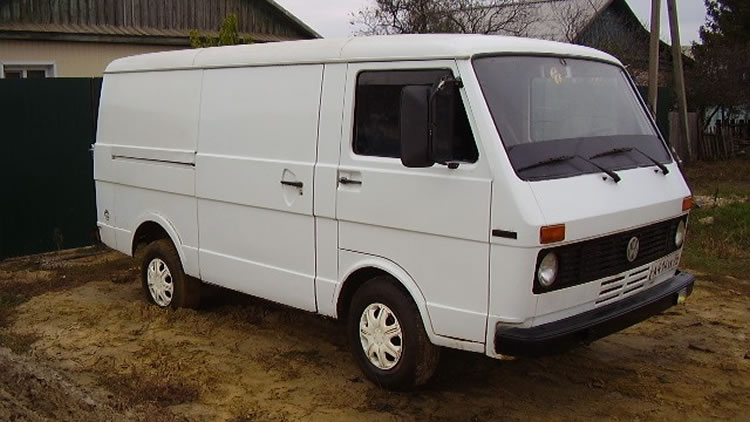
Understanding the 2.4-Liter Engine
The 2.4-liter gasoline engine used in the Volkswagen LT 28/35 is a four-cylinder engine known for its durability and efficiency. It produces a respectable amount of horsepower and torque, making it suitable for various applications, from transporting goods to serving as a base for camper conversions. However, as with any engine, it is essential to understand its components and how they work together to maintain performance.
Regular Maintenance
Regular maintenance is crucial for the longevity of the engine. Here are some key maintenance tasks that should be performed:
- Oil Changes: Engine oil lubricates the moving parts and helps dissipate heat. It is recommended to change the oil every 5,000 to 7,500 miles, depending on usage and oil type. Always use high-quality oil that meets Volkswagen specifications.
- Air Filter Replacement: The air filter prevents dirt and debris from entering the engine. A clogged air filter can reduce engine performance and fuel efficiency. It is advisable to check and replace the air filter every 15,000 to 30,000 miles.
- Spark Plug Inspection: Spark plugs are vital for ignition. Worn or fouled spark plugs can lead to misfires and reduced engine performance. Inspect the spark plugs every 30,000 miles and replace them as needed.
- Coolant System Maintenance: The cooling system prevents the engine from overheating. Regularly check the coolant level and inspect hoses for leaks or wear. It is recommended to flush and replace the coolant every two years.
- Fuel System Cleaning: Over time, fuel injectors can become clogged, affecting performance. Using a fuel system cleaner periodically can help maintain injector cleanliness and improve fuel efficiency.
Troubleshooting Common Issues
Even with regular maintenance, issues can arise. Here are some common problems associated with the 2.4-liter engine and how to address them:
- Engine Overheating: If the engine temperature rises above normal, it could be due to a faulty thermostat, a clogged radiator, or low coolant levels. Check the coolant system and replace any faulty components.
- Poor Fuel Economy: If you notice a sudden drop in fuel efficiency, it could be due to a dirty air filter, worn spark plugs, or fuel injector issues. Addressing these components can help restore fuel economy.
- Rough Idling: A rough idle can indicate problems with the ignition system or fuel delivery. Check the spark plugs, ignition coils, and fuel injectors for any signs of wear or malfunction.
- Oil Leaks: Oil leaks can occur due to worn gaskets or seals. Inspect the engine for leaks and replace any damaged gaskets or seals to prevent further issues.
Repairing the Engine
When repairs are necessary, it is essential to follow proper procedures to ensure quality work. Here are some general steps to consider:
- Diagnosis: Use diagnostic tools to identify the issue accurately. This may include scanning for error codes and performing visual inspections.
- Disassembly: If a component needs replacement, carefully disassemble the necessary parts. Keep track of all screws and components to ensure proper reassembly.
- Replacement: Replace the faulty parts with high-quality OEM or equivalent components to ensure compatibility and reliability.
- Reassembly: Follow the manufacturer’s specifications for reassembly. Ensure all connections are secure and that gaskets are properly seated to prevent leaks.
- Testing: After repairs, start the engine and monitor for any unusual noises or issues. Conduct a test drive to ensure everything is functioning correctly.
Conclusion
Maintaining and repairing the 2.4-liter gasoline engine in Volkswagen LT 28/35 vehicles requires attention to detail and a commitment to regular upkeep. By following the recommended maintenance schedule and addressing issues promptly, owners can ensure their engines remain reliable and efficient for years to come. Whether you are a DIY enthusiast or prefer to leave repairs to a professional, understanding the basics of engine maintenance will serve you well in keeping your Volkswagen LT 28/35 in top condition.